English pages: Home | The Area | Castagnole | Casa Giulia | Experiences | Recommendations | Contact
Castagnole delle Lanze, home to Casa Giulia
Castagnole delle Lanze is home to Casa Giulia. The house stands on a hill where the areas around Asti and Alba meet, in a setting traditionally described by the local phrase “Tra Langa e Monferrato” — between the Langhe and Monferrato.
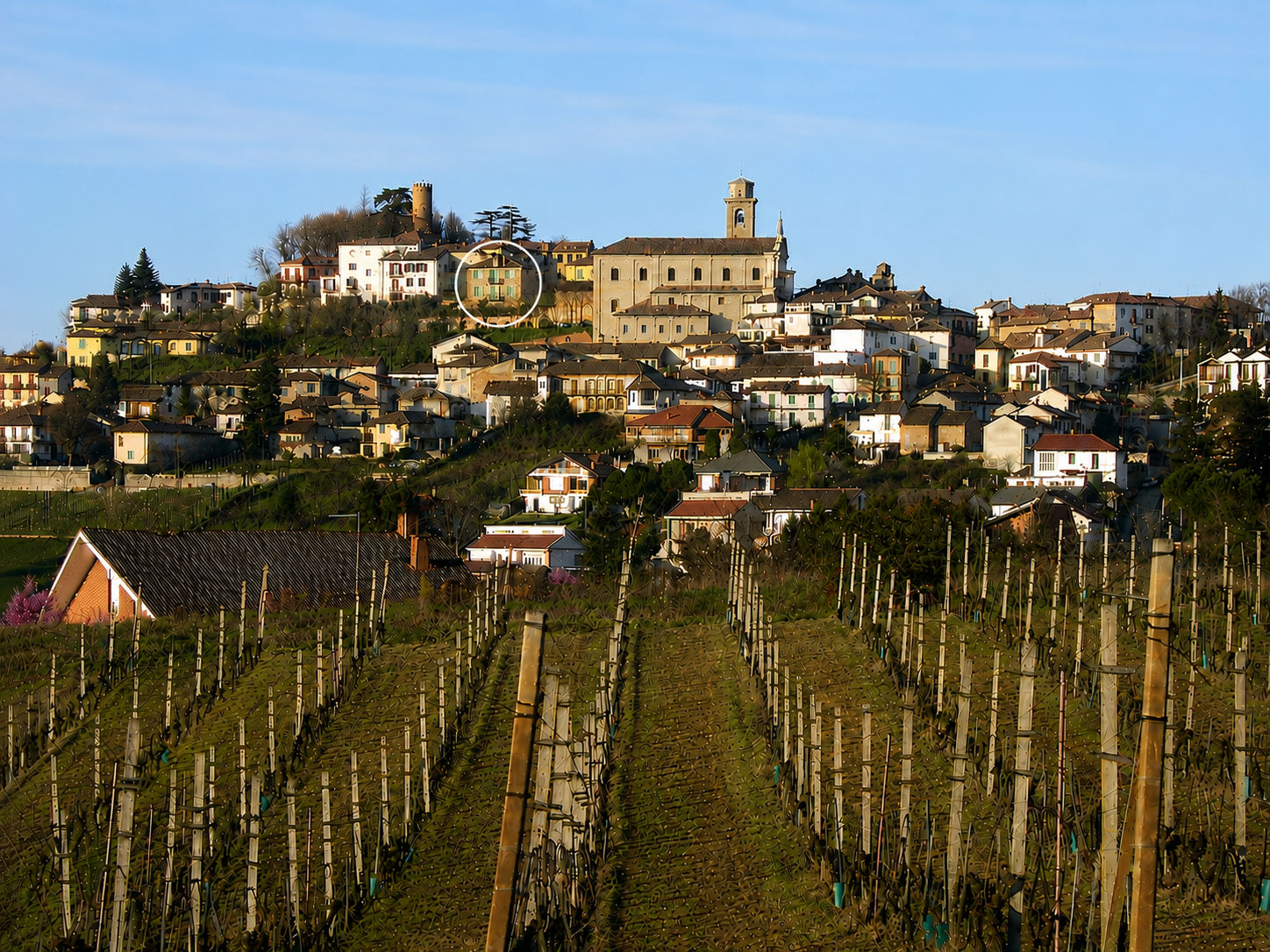
Casa Giulia is in the Paese Alto, the historic centre clustered at the top of the hill around the Church of San Pietro in Vincoli and the Parco della Rimembranza, with its tower. In the photograph, Casa Giulia is marked by the white circle.
Step outside Casa Giulia and you are already in the historic centre. From here, you can begin exploring Castagnole on foot before setting out to discover the surrounding hills.
To find out how to reach Castagnole delle Lanze and see the distances from the main cities and the nearest airports, visit the Contact page.
The historic centre: Paese Alto
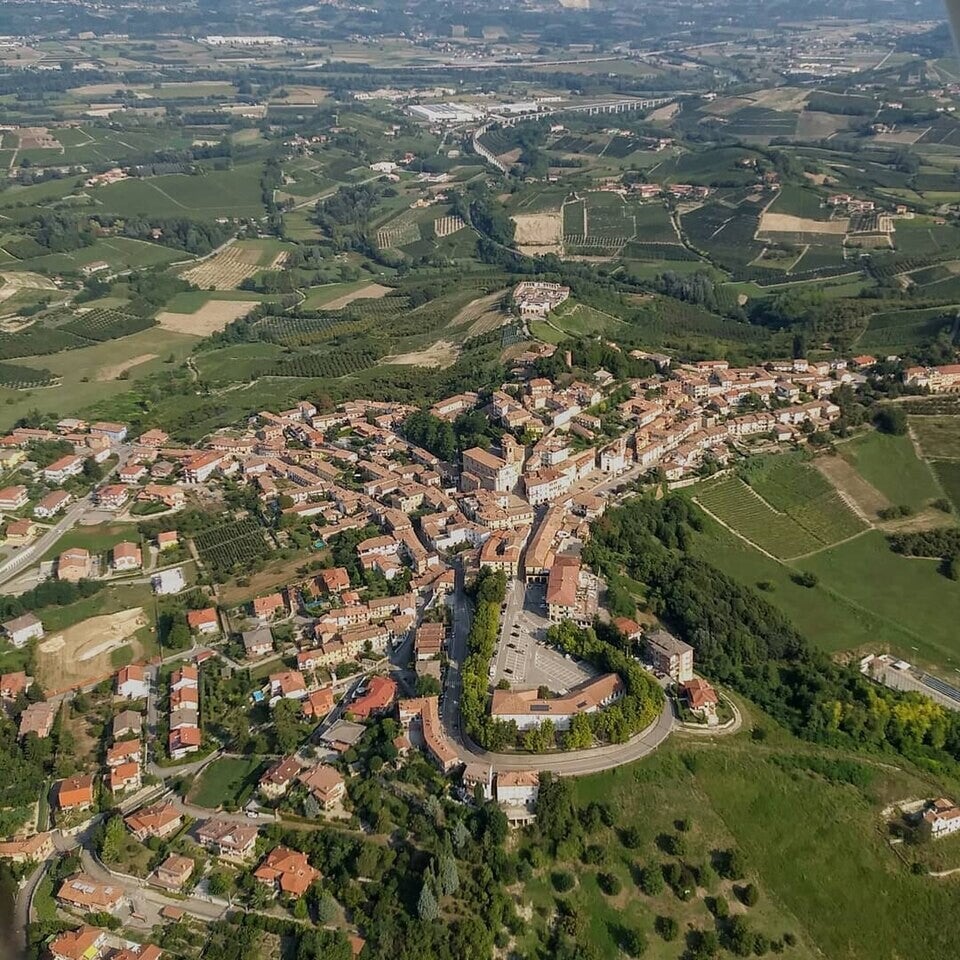
Castagnole’s historic centre, commonly known as the Paese Alto, occupies the highest part of the hill.
The Paese Alto can be entered from Piazza Giovannone, the circular space edged with greenery at the bottom of the image. From here, a street lined with porticoes leads into the centre of the village.
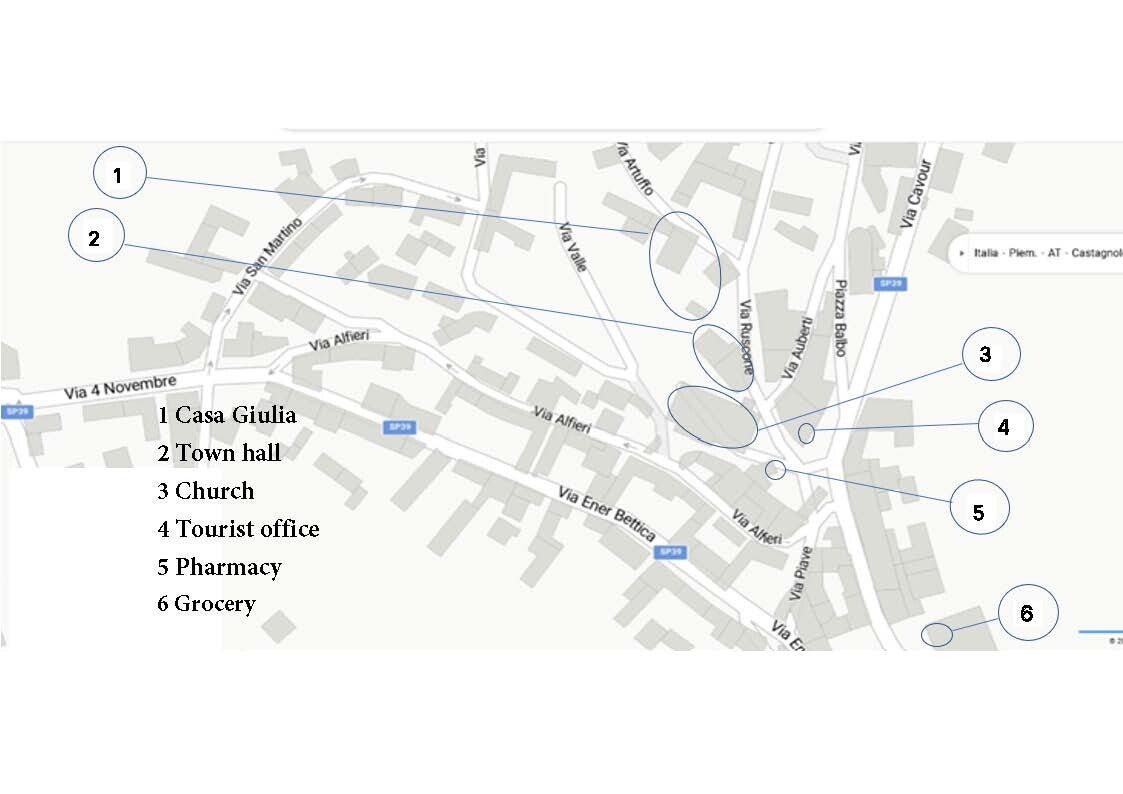
On reaching the central square, Piazza Marconi, you will see the parish church of San Pietro in Vincoli. Walking uphill beside the church along Via Ruscone, you will find Palazzo dei Conti Alfieri on the left, now home to the Town Hall. Continuing along Via Ruscone, you pass just a few metres from Casa Giulia, at the beginning of Via Artuffo, before reaching the Parco della Rimembranza, in the area where the medieval castle probably once stood.
Within the park stands the tower built in the second half of the nineteenth century by Count Paolo Ballada di Saint Robert, who used it as an astronomical observatory. Today it is the highest panoramic viewpoint in the village.
This route is shown on the map further down the page, in the section Getting around Castagnole.
The lower town
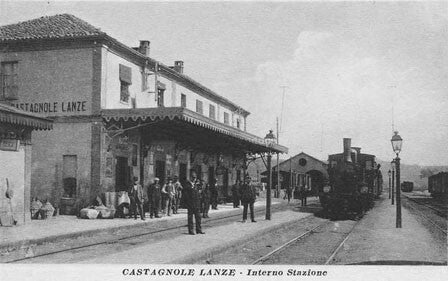
From the late nineteenth century, Castagnole saw the development of its wine industry, with companies producing vermouth and sparkling wines. This growth gathered renewed momentum after the Second World War and contributed to the expansion of the lower town, which until then had consisted of only a few houses around the railway station.
Today, much of the town’s commercial activity and many of its services are concentrated in the lower part of Castagnole. This area corresponds to the hamlet of San Bartolomeo and is commonly known simply as “San Bartolomeo”. Here you will find, among other things, a large supermarket, a bank, the railway station, the regional bus station and a computer assistance service. For guests staying at Casa Giulia, it is therefore the most convenient part of the town for shopping and many everyday needs.
The main services are shown on the map further down the page, in the section Getting around Castagnole.
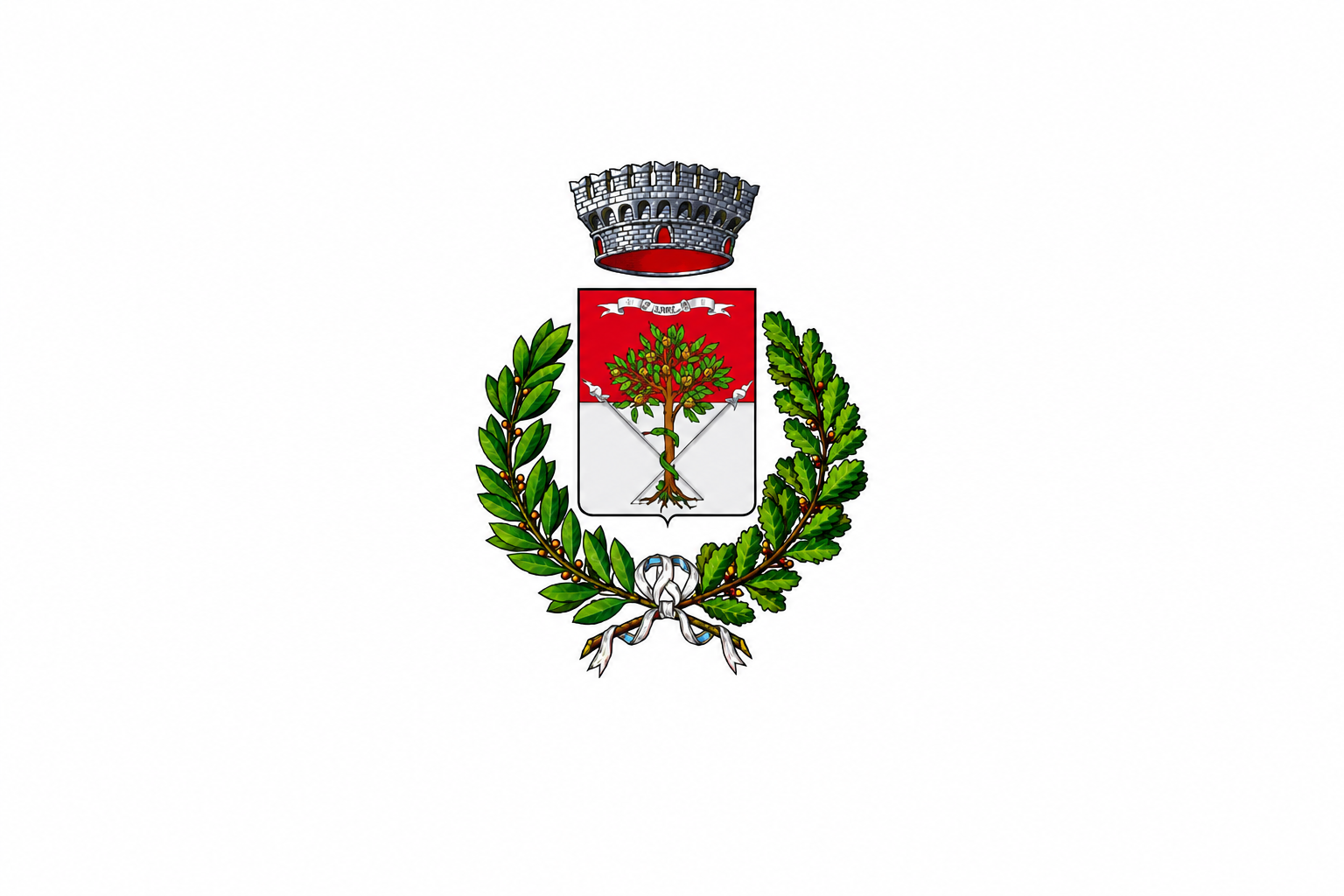
A brief history
In Roman times, a branch of the Via Aemilia connecting Acqui with Pollenzo — the Roman Pollentia — passed through the area where Castagnole now stands, as archaeological excavations carried out in the early twentieth century have shown.
During the Middle Ages, Castagnole belonged to the Counts of Loreto. Its association with the Lancia dynasty dates from this period, and the distinctive name “delle Lanze” is traditionally linked to that family. Historical sources also suggest the probable existence of a medieval castle, destroyed in the thirteenth century.
From the thirteenth century, Castagnole came within the sphere of influence of Asti and shared its history for many years. Between the late fourteenth and early seventeenth centuries, it formed part of the Capitaneato d’Astesana. The territory subsequently passed to the House of Savoy and was governed by several noble families, including the Alfieri family.
From the late nineteenth century, winegrowing and its related activities contributed to the economic transformation of the town, a process that continued after the Second World War.
Learn more

Village life
Throughout the year, festivals, fairs, markets, concerts and other events bring the streets and squares of Castagnole to life. Some celebrate local wine and produce, while others are devoted to music and local traditions.
To find out what may be happening during your stay, take a look at the Experiences page.