

English pages: Home | The Area | Castagnole | Casa Giulia | Experiences | Recommendations | Contact
Between the Langhe, Monferrato and Roero
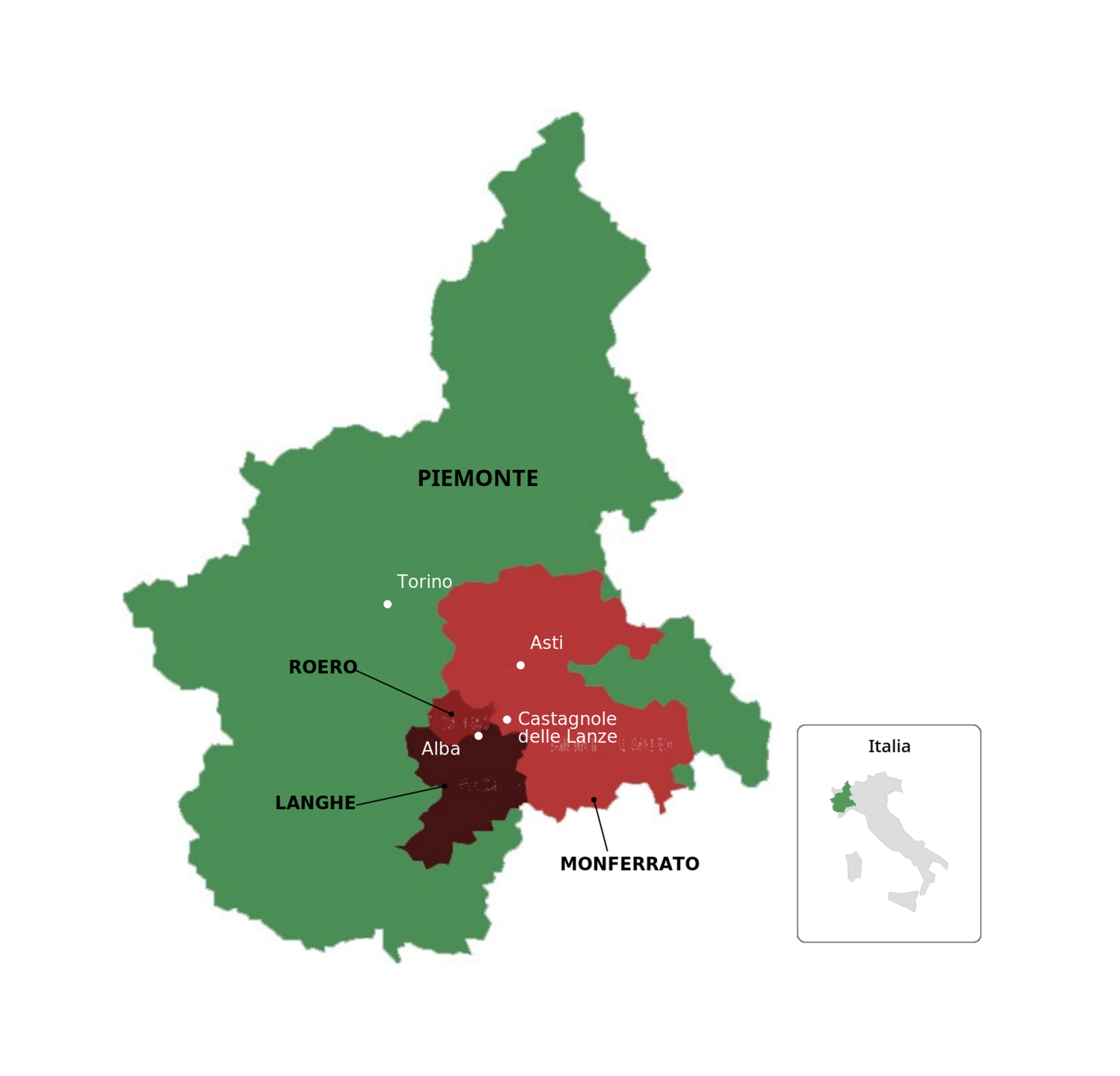
Casa Giulia is in Castagnole delle Lanze, in southern Piedmont, where the Langhe and Monferrato meet and within easy reach of the Roero. These three neighbouring areas share a landscape of hills, vineyards and historic villages, while each has its own character, gradually revealed as you travel through them.
From Castagnole delle Lanze, you can explore the hills around Asti and the Monferrato, head towards Alba and the Langhe, or cross the Tanaro into the Roero.
This page offers a first introduction to the area surrounding Casa Giulia, together with a few useful references for beginning to discover it.
The Langhe
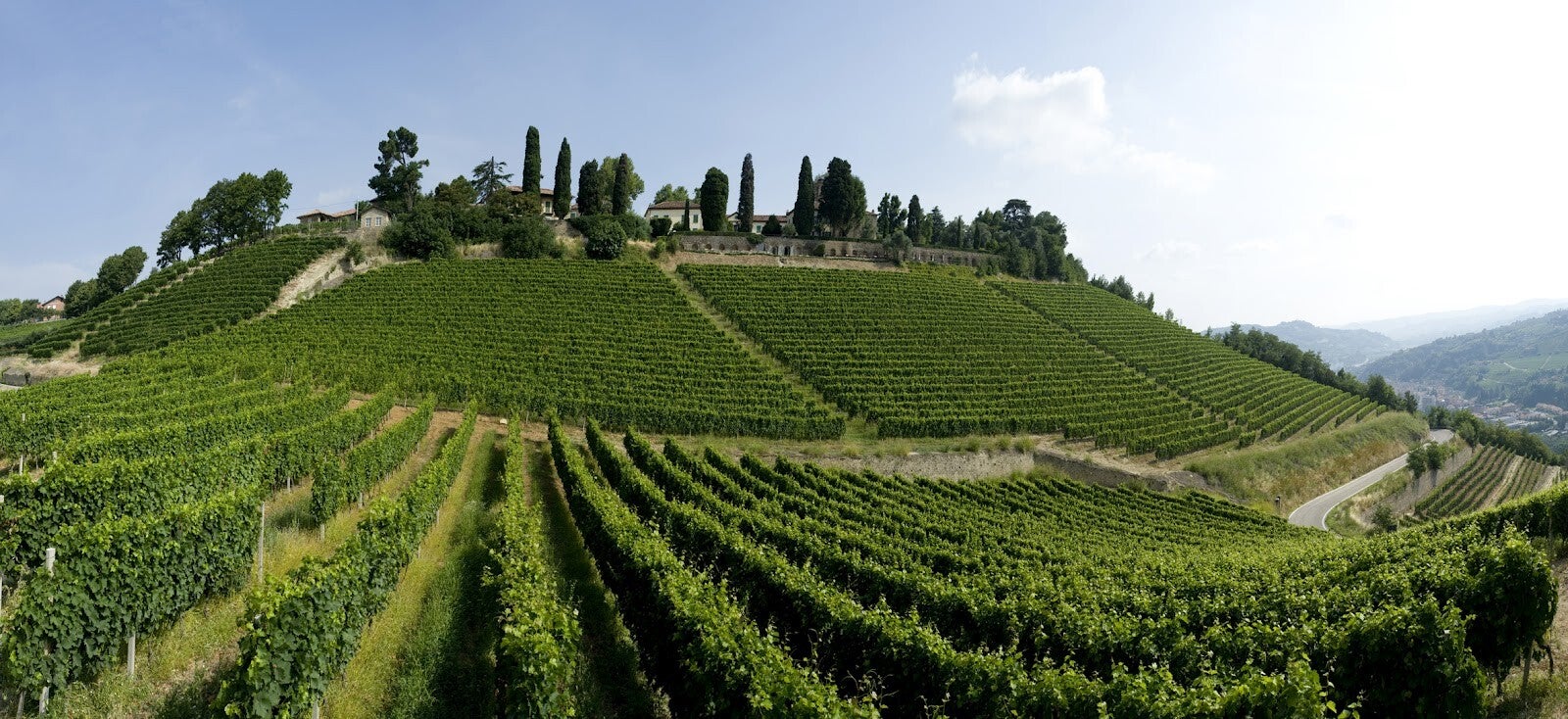
The Langhe extend across the provinces of Cuneo and Asti, with Alba as their main centre. They form a broad landscape of hills: at lower elevations, vineyards and scenery shaped by the great wines predominate; higher up, towards the Alta Langa, woodland and hazelnut groves become more common. The Langhe Astigiane, in the southern part of the province of Asti, also form part of this area.
Learn more
Monferrato
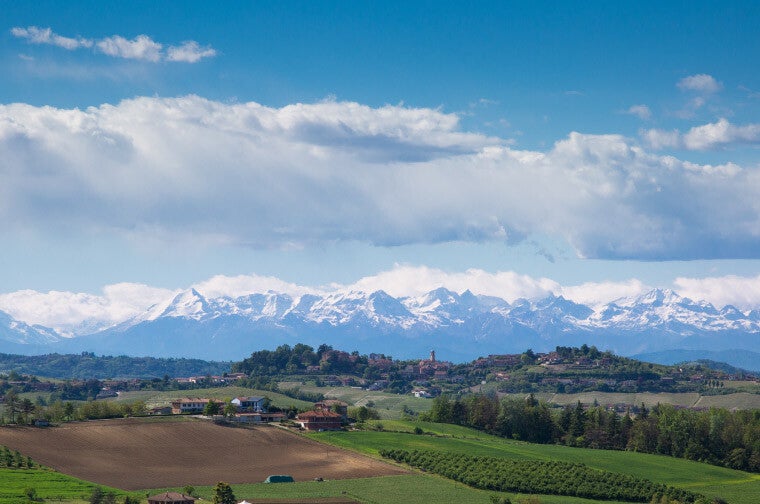
Monferrato covers a large, predominantly hilly area, mainly within the provinces of Asti and Alessandria. It is commonly divided into Monferrato Astigiano, Basso Monferrato and Alto Monferrato: areas with different geographical characteristics that belong to the same historic region.
The landscape alternates between vineyards, cultivated land, small historic towns and castles.
Castagnole delle Lanze lies where the Langhe and Monferrato meet. This setting gave rise to the local motto Tra Langa e Monferrato, meaning “Between the Langhe and Monferrato”.
Learn more
The Roero
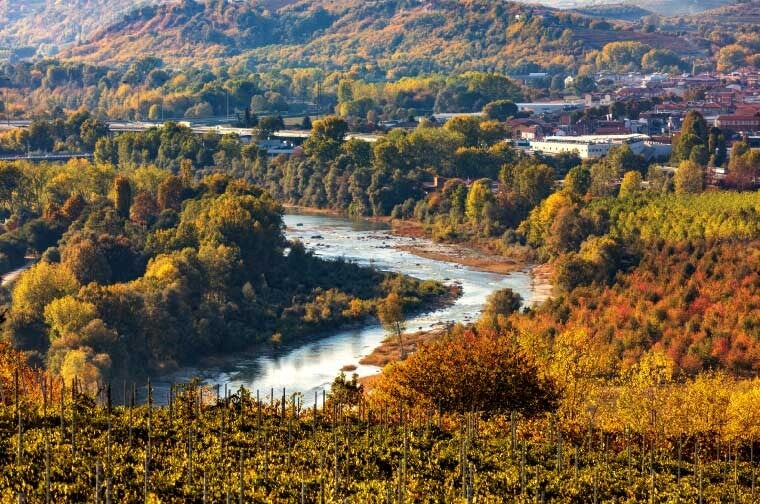
The Roero lies on the left bank of the Tanaro, while the Langhe begin on the opposite side. It is a hilly area where vineyards and orchards alternate with woodland. One of its most distinctive landscape features is the Rocche del Roero, striking geological formations that interrupt the more regular profile of the hills.
Villages and castles are set within an intimate rural landscape, all within easy reach of Casa Giulia.
Learn more
A landscape shaped over time
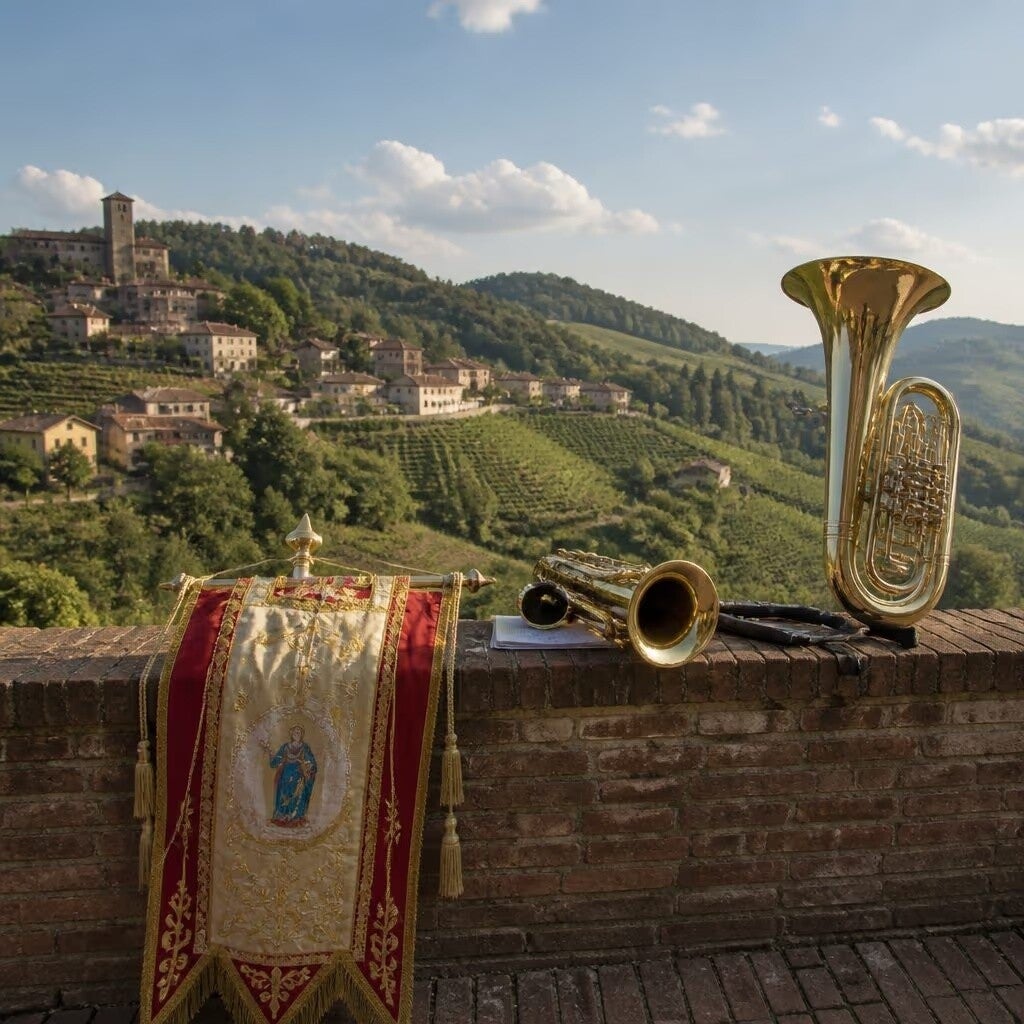
The hills surrounding Casa Giulia tell more than a natural story. Over the centuries, they have been cultivated, crossed by roads, settled and defended. The villages built on higher ground, together with their castles, towers and churches, and even the layout of the fields, reflect this long human presence.
The histories of the Langhe, Monferrato and Roero are not identical. Lordships, marquisates, noble families and later the House of Savoy all left their mark. In Monferrato, for example, the long history of the Marquisate and later the Duchy shaped the area’s political organisation for centuries. The Roero takes its name from the Asti family that once held extensive estates in these lands.
More recent history also left important traces. During the nineteenth and twentieth centuries, the Langhe experienced poverty and depopulation. They were also a centre of the Resistance during the Second World War and, in the following decades, underwent economic and agricultural changes that helped create the region we know today.
Learn more
Vineyards and the landscape
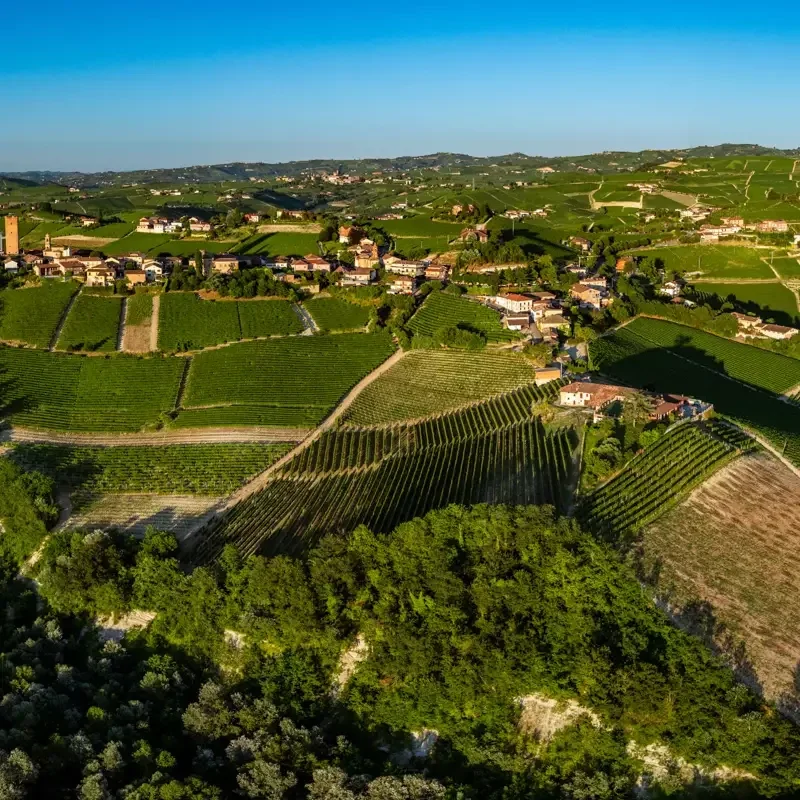
Winegrowing is more than one of the most important forms of cultivation in these hills. Over the centuries, work in the vineyards has helped shape the landscape, adapting the rows of vines to the contours of the land and organising farmhouses, wineries, roads and villages around them.
The relationship between the natural environment, human activity and wine culture is one of the defining features of the Langhe, Roero and Monferrato. The landscape we see today is also the result of knowledge, techniques and farming practices developed and handed down over time. This long relationship between people and the environment is one of the area’s fundamental values recognised by UNESCO.
In 2014, part of these hills was inscribed on the World Heritage List as the “Vineyard Landscape of Piedmont: Langhe-Roero and Monferrato”. The site comprises five winegrowing areas and Grinzane Cavour Castle. Together, these form six component parts, selected as evidence of the region’s vine and wine culture and the way it has shaped the landscape.
Learn more
Art, culture and traditions
The history of these hills has left traces that appear throughout the landscape. Castles and towers still dominate many villages, while historic parish churches, churches and chapels preserve architecture and works of art from different periods.
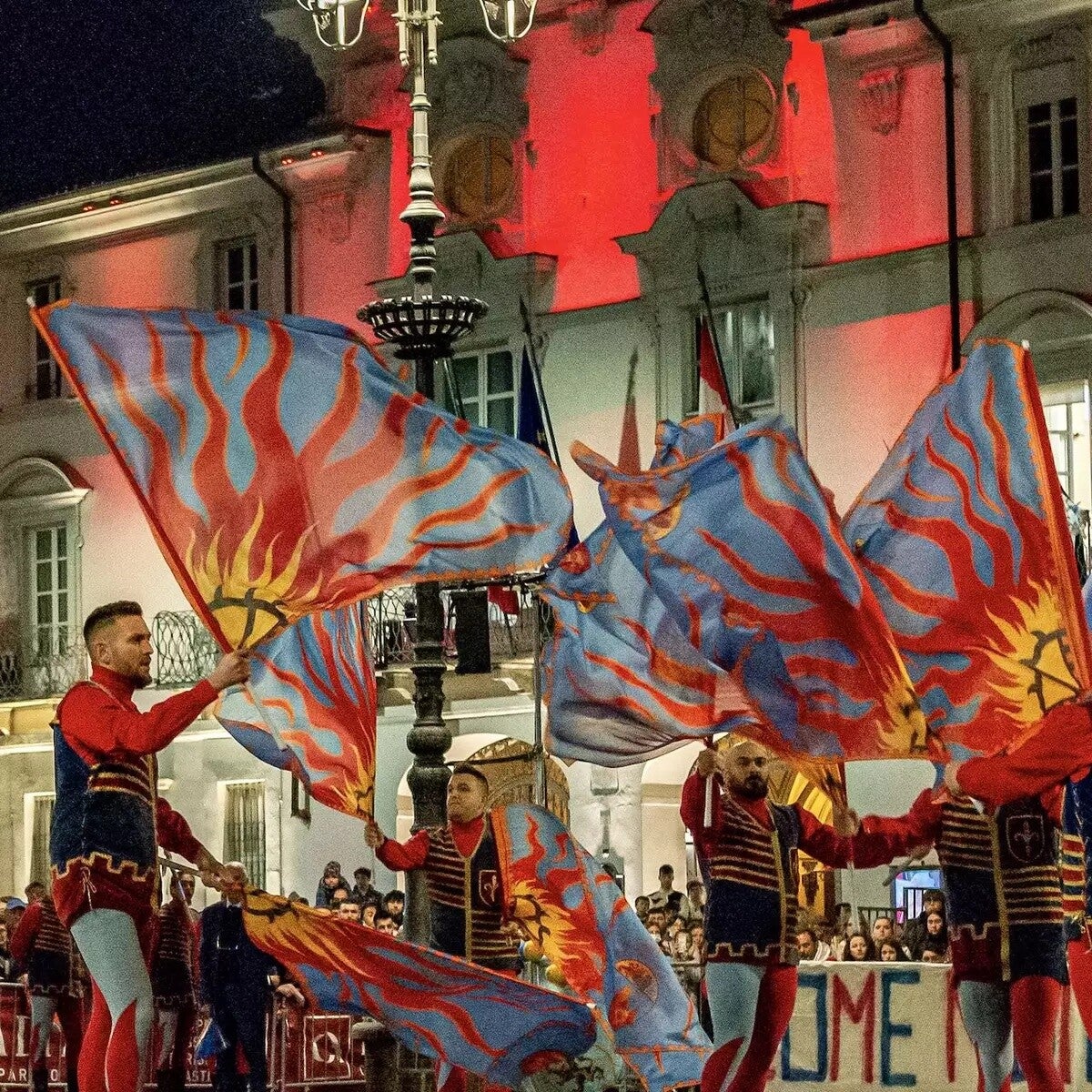
The Langhe, Monferrato and Roero have inspired writers and artists and preserve traditions, festivals and customs that remain part of village life.
Learn more
A region to discover through its food
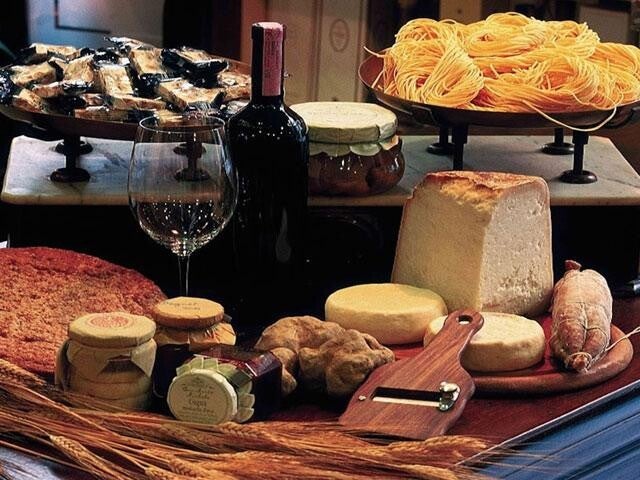
Wine and food are part of the history of these hills. Alongside the great wines are hazelnuts, truffles, cheeses and fruit, as well as a cuisine that preserves many traditional Piedmontese dishes.
Products and recipes vary from one area to another and still largely follow the seasons.
You will find local products, producers, traditional dishes, markets and restaurants on the Experiences page.
Continue discovering the area
This page is a starting point. The Experiences and Casa Giulia’s Recommendations pages offer further ways to discover this part of Piedmont, while Castagnole delle Lanze — the village where Casa Giulia is located — deserves a page of its own.